
Wildlife Watching in Mountain top Park, Costa Rica: What Animals Can You See?
Costa Rica is a paradise for nature lovers, and if you’re looking for a place where adventure meets wildlife, Mountain Top Park in Quepos is a must-visit destination. Nestled between lush rainforests and the sparkling Pacific coastline, this park offers not only breathtaking views and thrilling activities but also a unique opportunity to witness some of Costa Rica’s most iconic animals in their natural habitat.
In this comprehensive guide, we’ll explore everything you need to know about wildlife watching in Mountain Top Park, including what animals you can see, the best times for spotting them, tips for wildlife photography, and why this park is a hidden gem for eco-tourists.
Why Mountain top Park is a Wildlife Haven
Mountain Top Park is strategically located near Manuel Antonio National Park, one of Costa Rica’s most famous protected areas. The park’s unique elevation, dense forests, and proximity to both the ocean and the mountains create a rich ecosystem that supports a wide variety of wildlife.
Unlike some crowded tourist spots, Mountain Top Park offers a more intimate and immersive experience. Here, you can walk along hanging bridges, hike scenic trails, and relax at viewpoints—all while being surrounded by the sights and sounds of the rainforest. The park’s commitment to conservation and eco-friendly tourism ensures that wildlife thrives and visitors can enjoy authentic encounters with nature.

Top Animals to Spot in Mountain top Park
Monkeys
Costa Rica is famous for its playful monkeys, and Monteverde Cloud Forest is no exception. You’re likely to spot several species swinging through the trees or foraging for food.
1. White-faced Capuchin Monkey (Cebus capucinus)
- Description: Intelligent, social, and curious, these monkeys are often seen in groups.
- Where to Spot: Near the breakfast area, hanging bridges, and forested trails.
- Fun Fact: Capuchins are known for using tools and have expressive faces, making them a favorite among wildlife photographers.
2. Squirrel Monkey (Saimiri oerstedii)
- Description: Small, agile, and incredibly cute, squirrel monkeys are a delight to watch.
- Where to Spot: Look for them in the higher canopy, especially in the early morning.
- Conservation Note: Squirrel monkeys are considered vulnerable, so seeing them is a special treat.
3. Howler Monkey (Alouatta palliata)
- Description: Famous for their loud, echoing calls that can be heard from miles away.
- Where to Spot: Listen for their calls near the zipline area or deeper forest sections.
- Tip: Early morning is the best time to hear and see howler monkeys.
Sloths
No trip to Costa Rica is complete without spotting a sloth! Mountain Top Park is home to both two-toed and three-toed sloths.
1. Brown-throated Three-toed Sloth (Bradypus variegatus)
- Description: Slow-moving, with a permanent smile and algae-covered fur.
- Where to Spot: High up in the trees, often near the pool or breakfast area.
- Tip: Look for a ball of fur clinging to a branch—sloths are masters of camouflage.
2. Hoffmann’s Two-toed Sloth (Choloepus hoffmanni)
- Description: Slightly larger and more active at night.
- Where to Spot: Sometimes seen in denser, shadier parts of the park.
- Fun Fact: Two-toed sloths are nocturnal, so spotting them during the day is a lucky find.
Toucans
Toucans are among the most iconic birds of Costa Rica, and their vibrant colors are a photographer’s dream.
1. Keel-billed Toucan (Ramphastos sulfuratus)
- Description: Known for its rainbow-colored bill and striking appearance.
- Where to Spot: Near the viewpoints and open areas with fruiting trees.
- Tip: Early morning is the best time for birdwatching.
2. Chestnut-mandibled Toucan (Ramphastos ambiguus)
- Description: Larger, with a distinctive yellow and brown bill.
- Where to Spot: In the taller trees near the restaurant and spa area.
Parrots and Macaws
The park is alive with the sounds and colors of parrots and macaws, especially at sunrise and sunset.
1. Scarlet Macaw (Ara macao)
- Description: Large, brilliantly colored, and often seen flying in pairs.
- Where to Spot: Near the rainbow spot and open viewpoints.
- Conservation Note: Scarlet macaws are a conservation success story in Costa Rica.
2. Red-lored Parrot (Amazona autumnalis)
- Description: Green with a red forehead, these parrots are noisy and social.
- Where to Spot: In flocks near the breakfast area and forest edges.
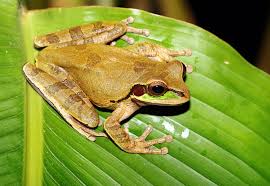
Frogs and Reptiles
Costa Rica’s rainforests are home to some of the world’s most fascinating amphibians and reptiles.
1. Red-eyed Tree Frog (Agalychnis callidryas)
- Description: Famous for its bright red eyes and vibrant green body.
- Where to Spot: Near water ponds and shaded, moist areas.
- Tip: Best seen at night or after rain.
2. Green Iguana (Iguana iguana)
- Description: Large, prehistoric-looking lizards often seen basking in the sun.
- Where to Spot: On tree branches near the pool and open areas.
3. Poison Dart Frogs
- Description: Tiny, brightly colored, and a symbol of Costa Rican biodiversity.
- Where to Spot: Near water sources and under leaf litter.
Other Birds and Mammals
- Motmots, tanagers, and hummingbirds are common, especially near flowering plants.
- Coatis (raccoon-like mammals) may be seen foraging near picnic areas.
- Bats emerge at dusk, adding to the park’s nocturnal wildlife.


Best Times and Places for Wildlife Watching
Timing is everything when it comes to wildlife watching. Here are some tips to maximize your chances:
- Early Morning (6-9 AM): Best for birds, monkeys, and sloths. The park is quieter, and animals are most active.
- Late Afternoon (4-6 PM): Good for spotting parrots, macaws, and some mammals as they prepare to roost.
- After Rain: Frogs and reptiles are more active, and the forest comes alive with sounds.
- Night Tours: If available, night walks reveal a different world of nocturnal creatures.
Top Spots in the Park:
- Hanging bridges for monkeys and birds
- Water ponds for frogs and reptiles
- Viewpoints for macaws and toucans
- Breakfast area for a mix of wildlife
Wildlife Photography Tips
Capturing Costa Rica’s wildlife is a dream for many travelers. Here are some tips for getting the best shots:
- Bring a Zoom Lens: Many animals are high in the trees or shy.
- Use Natural Light: Early morning and late afternoon provide the best lighting.
- Be Patient and Quiet: Sudden movements or loud noises can scare animals away.
- Focus on the Eyes: This brings life to your wildlife photos.
- Respect the Animals: Never use flash, and keep a safe distance.
Conservation and Responsible Tourism
Mountain Top Park is committed to sustainable tourism and wildlife conservation. Here’s how you can help:
- Stay on Marked Trails: Protects both you and the animals.
- Don’t Feed the Wildlife: Human food can harm animals and disrupt their natural behavior.
- Take Only Photos, Leave Only Footprints: Don’t pick plants or disturb habitats.
- Support Local Conservation Efforts: Consider donating or participating in park-led programs.
By following these guidelines, you help ensure that Mountain Top Park remains a sanctuary for wildlife and a magical place for future visitors.
FAQs About Wildlife Watching in Mountain top Park
Q: What is the best time of year to visit for wildlife watching?
A: The dry season (December to April) offers the best weather, but the green season (May to November) brings more active wildlife and fewer crowds.
Q: Are guided tours available?
A: Yes, guided tours are highly recommended for spotting elusive animals and learning about the ecosystem.
Q: Is the park suitable for families with children?
A: Absolutely! The park is family-friendly, with safe trails and plenty of activities for all ages.
Q: Can I see wildlife without a guide?
A: Yes, but guides increase your chances and enrich your experience with local knowledge.
Q: What should I bring for wildlife watching?
A: Binoculars, camera, water, sunscreen, insect repellent, and comfortable walking shoes.
Plan Your Visit: Essential Information
- Location: Near Quepos, close to Manuel Antonio National Park
- Opening Hours: 8 AM – 6 PM (check official website for updates)
- Entry Fee: Varies; discounts for children and groups
- Facilities: Restaurant, spa, pool, parking, guided tours, zipline, hanging bridges
- How to Get There: Short drive from Quepos town; taxis and shuttles available
- Nearby Attractions: Espadilla Beach, Biesanz Beach, Park Nahomi, Manuel Antonio Beach
Conclusion: Why Monteverde Cloud Forest Should Be on Your Costa Rica Bucket List
If you’re searching for the best place to see wildlife in Costa Rica, Mountain Top Park in Quepos offers an unforgettable experience. From playful monkeys and sleepy sloths to vibrant toucans and dazzling frogs, the park is a living showcase of Costa Rica’s incredible biodiversity.
Whether you’re a passionate wildlife photographer, a family with kids, or an eco-conscious traveler, Mountain Top Park promises adventure, relaxation, and a deep connection with nature. Don’t forget your camera, your sense of wonder, and your respect for the wild—because every visit helps protect this magical corner of Costa Rica for generations to come.
Ready to plan your wildlife adventure?
Visit mountaintoppark.com for tickets, tour bookings, and more information.